


The BREAKAWAY is for getting off the wheel. Longer thoughts on cycling, culture, and taste. Less reaction. More distance.
You can follow us on Instagram here but in its purest and most beautiful form this is a newsletter, something to slow your timeline down.

Before we get into it
GRAVITYHILL is free to read and always will be. But if you are getting something out of it, a subscription goes a long way toward keeping this independent.
In case you missed it, here is what we have been working on:
BREAKAWAY // 002 — A Sharpie, a Hack, and 150 Years of Castelli
A Norwegian rider blacked out a logo with a marker in 2009. Castelli turned it into a product. Then half the peloton showed up at Milan-San Remo in one. How the most important cycling garment of the last twenty years started as a fix and became infrastructure.
A playlist that is a little all over the place and completely selfish. Songs we have been living with for years. For the last few indoor training sessions before the roads open up.
FEEDZONE // 003 — The Vest Situation
The piece of kit nobody photographs and everybody reaches for. Six brands that actually figured out how to make the best version of it.
No affiliate links. No paid placements. No sponsored content. Everything we write about and put in front of you is either something we genuinely believe in or something we believe the culture needs to be talking about. That has always been the deal.
If that sounds like your kind of newsletter, you know what to do.
They were not revolutionaries. And that was kind of the whole point.
Before the Paninari, there were the barricades. The 1970s in Milan meant the Years of Lead. Students throwing Molotov cocktails, arguing about Marx, wearing ideology like a badge. Then the eighties arrived and something shifted. A new generation decided the most radical thing they could do was refuse all of it. No politics. No manifesto. Just dress better than everyone else.
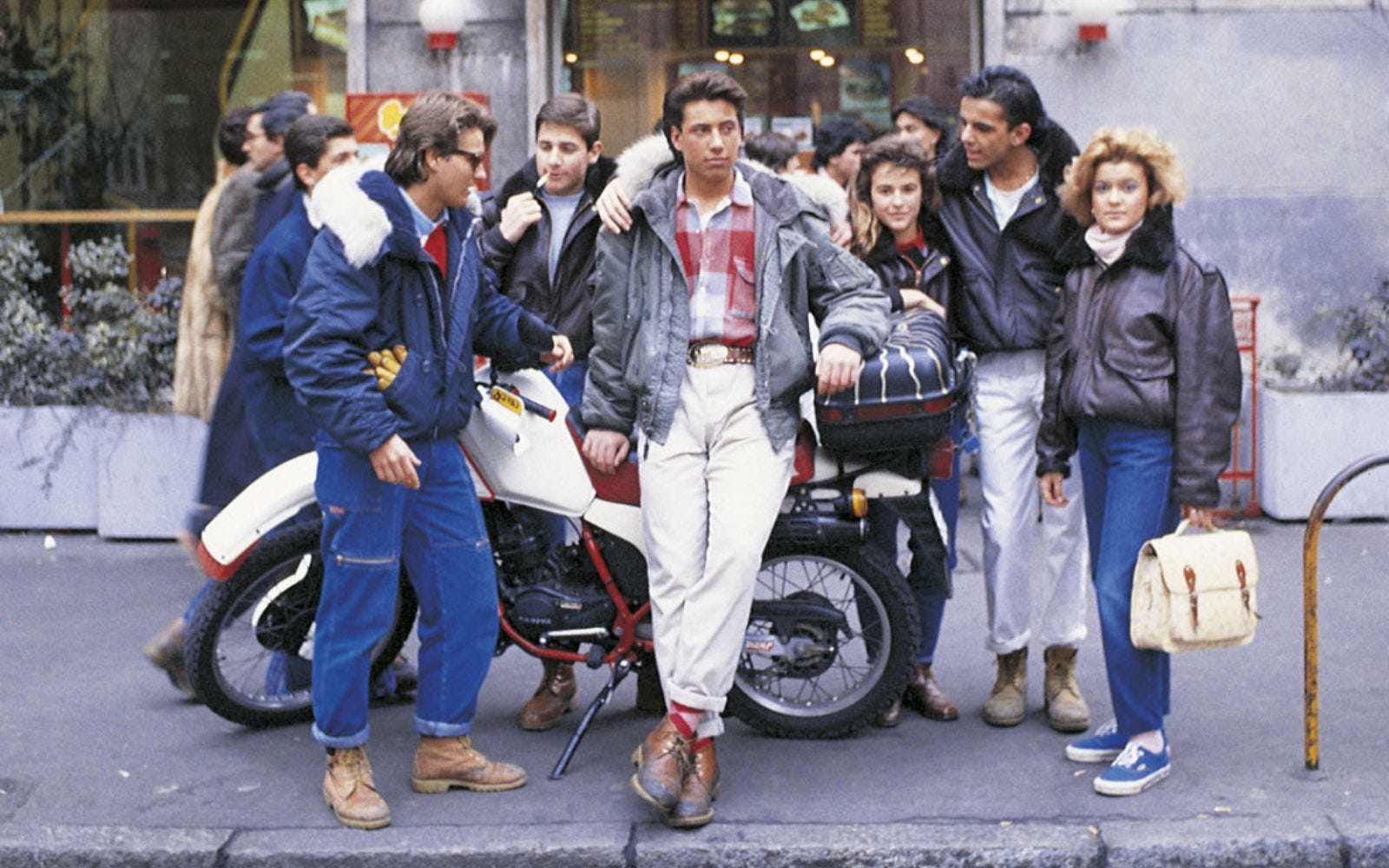
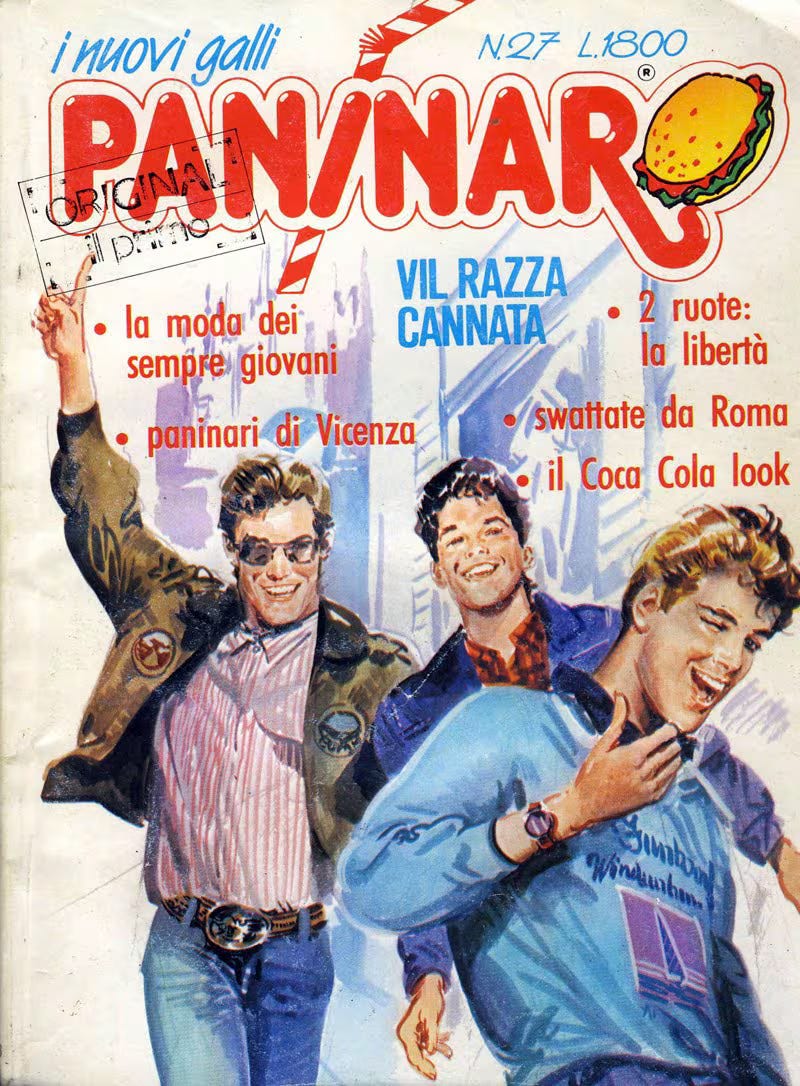
They called themselves the Paninari. Named after a sandwich bar in Piazza Liberty. Sons and daughters of the bourgeoisie, gathering on Saturday afternoons in Moncler puffers, Levi’s 501s, Timberland boots. No manifesto. No politics. Just the precise articulation of taste as a worldview. A generation celebrating economic optimism after a decade of violence and austerity. Dressing well was not shallow. It was a declaration that things were better now. That joy was available. That you could just live.
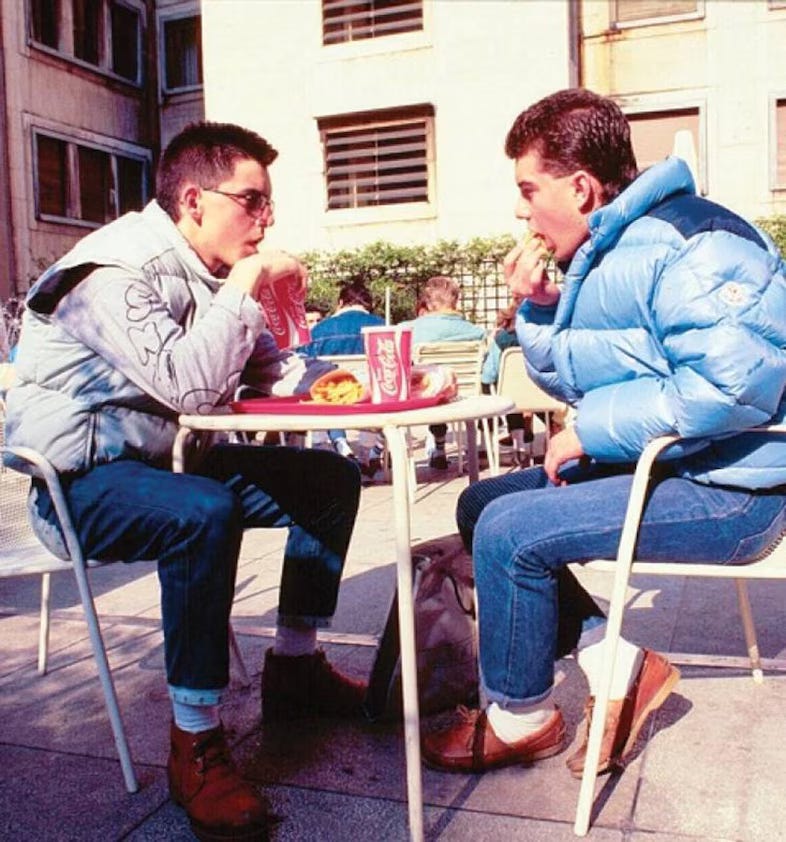
A reporter sticks a microphone in a kid’s face and asks what he stands for. The kid lists his outfit, brand by brand, and at the end says: do you want to know the price as well?
That kid single handedly invented hype culture. He just didn’t know it yet.
Every other youth subculture of that era expressed itself through music or politics, or both. Punks had the Clash. Autonomists had the barricades. The Paninari had Stone Island. The first subculture not anchored to music or politics. Pure aesthetic identity. The brand on your back was the belief system. If the British Mods of the early 1960s were the first subculture to introduce obsessive attention to fashion detail into youth culture, the Paninari extended that obsession to brand and luxury and predicted hype culture by twenty years. The High Numbers released a single in 1964 as a detailed handbook of modernist fashion. Twenty years later the Pet Shop Boys exported the Paninari concept worldwide with a song named after them. The pattern is the same. A subculture so specific and so coherent it forced the outside world to pay attention. The proof of how deep it ran: look at the Pony Express riders delivering packages around Milan in the 1980s. They were delivery workers, and yet the aesthetic was identical to the Paninari. Sportswear and workwear elevated to cult status by proximity to the scene. That is not fashion. That is a movement.
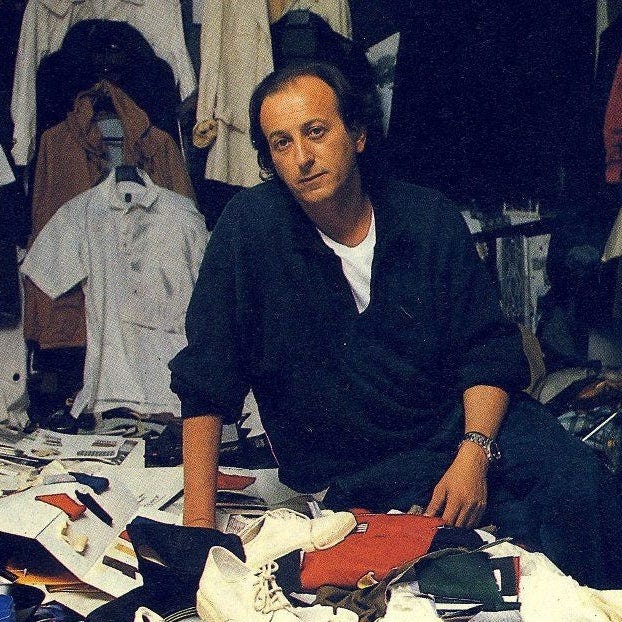
Massimo Osti in his office.
Massimo Osti, a Bolognese designer who thought of clothes like an engineer would, built C.P. Company in 1971 and Stone Island in 1982. Technical outerwear. Military references recut for the street. Fabrics that did things other fabrics could not. The Paninari adopted both these brands immediately. Not because a magazine said so. Because the clothes were genuinely extraordinary. Functional. Obsessive in construction. Not trying to be fashion and therefore more fashionable than anything that was. The hierarchy was strict. One member of the scene put it plainly: “at first we wore Dolomite puffers, then since everyone had one, even the tackiest of people, we switched to the mandatory orange Moncler”. That sentence contains the entire logic of how taste works. The moment something becomes available to everyone it stops meaning anything. You move on. You find the next thing. You protect the vibe. Another style move was to wear the watch above the cuff. Not under it. Above it, over the sleeve, visible at all times. A gesture of deliberate ostentation traced directly back to Gianni Agnelli, who had been doing it for decades. The Paninari were not inventing a new attitude. They were inheriting one from the most stylish man in Italian industry and wearing it on a Saturday afternoon outside a sandwich bar.
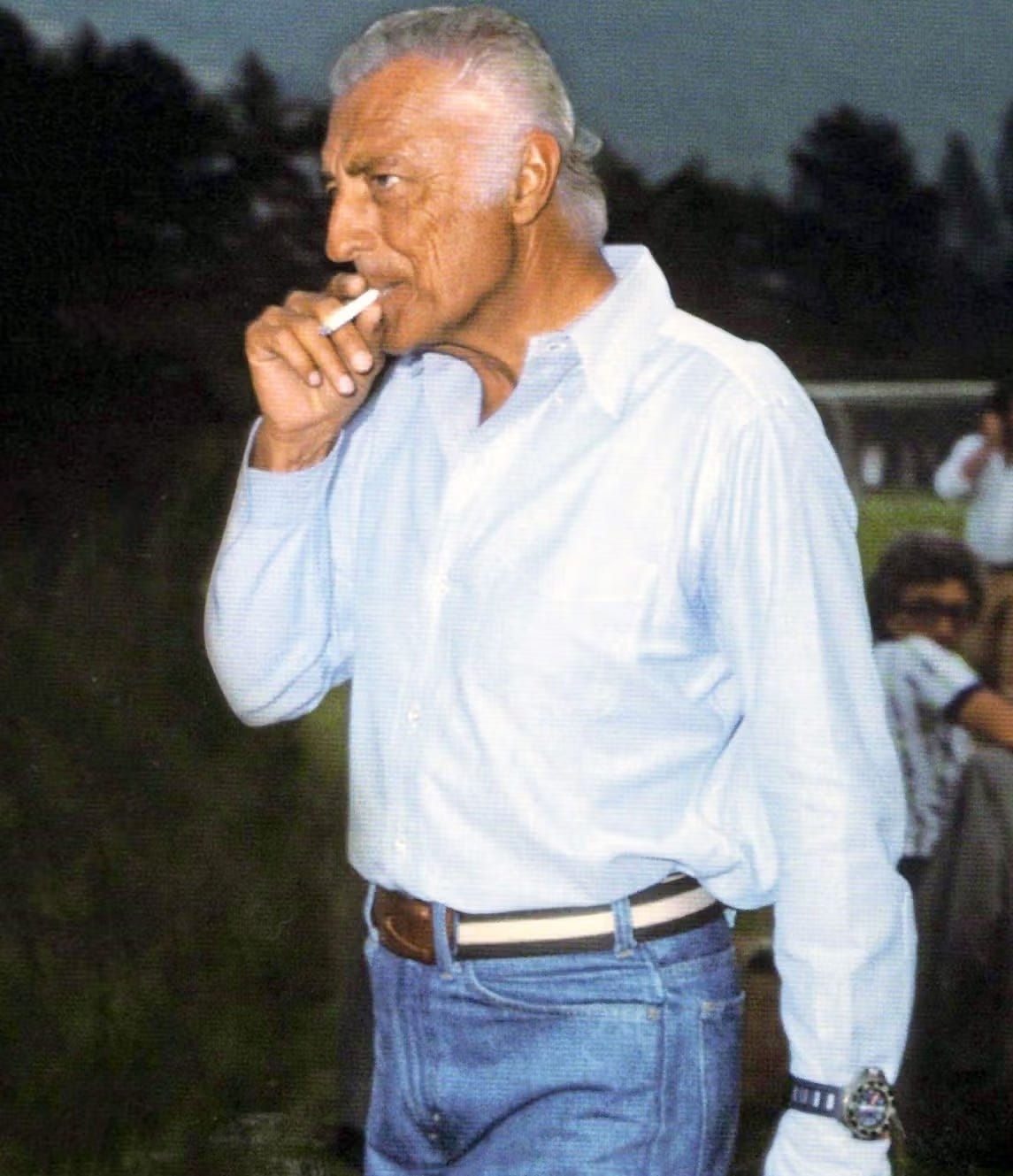
Gianni Agnelli.
Osti said he wanted to design for science, not fashion. The Paninari took his research and turned it into a uniform. A subculture built around technical obsession that its own creator never intended for them. Neither of them planned it that way. That is usually how the best things happen.

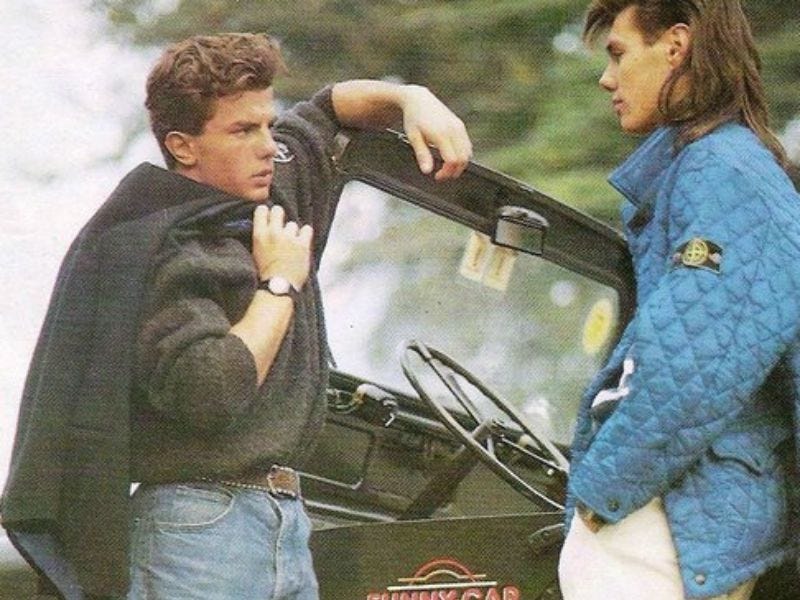
The movement burned bright, but brief. By the end of the decade it was over, dissolved by changing politics and shifting taste. But the brands survived. Stone Island went to English football terraces first, then to hip-hop, then to Supreme, then got sold to Moncler for 1.15 billion euros. C.P. Company went to casuals, then to Palace, then to Manchester City. What’s amazing is that the shops that now carries these brands, also carries Pas Normal Studios, Rapha and MAAP. The same shops where cyclists shop. That journey from Milan to the terraces was not accidental. The UK football casuals of the 1980s and the Paninari were running the same logic from different cities. Tribalism expressed through brands. Identity declared through what you wore. British youths adopted Stone Island and C.P. Company directly from the Paninari, integrating them into a culture that was equally serious about what the badge on your chest meant. The connection between those two worlds explains exactly how a subculture born in a Milanese sandwich bar ended up on the backs of Manchester City fans four decades later.
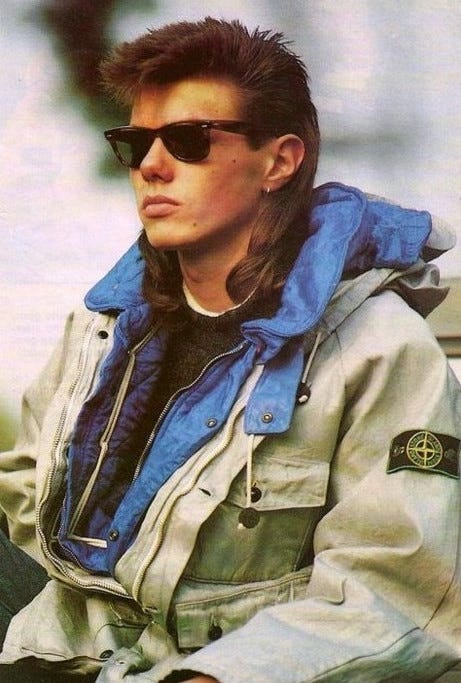
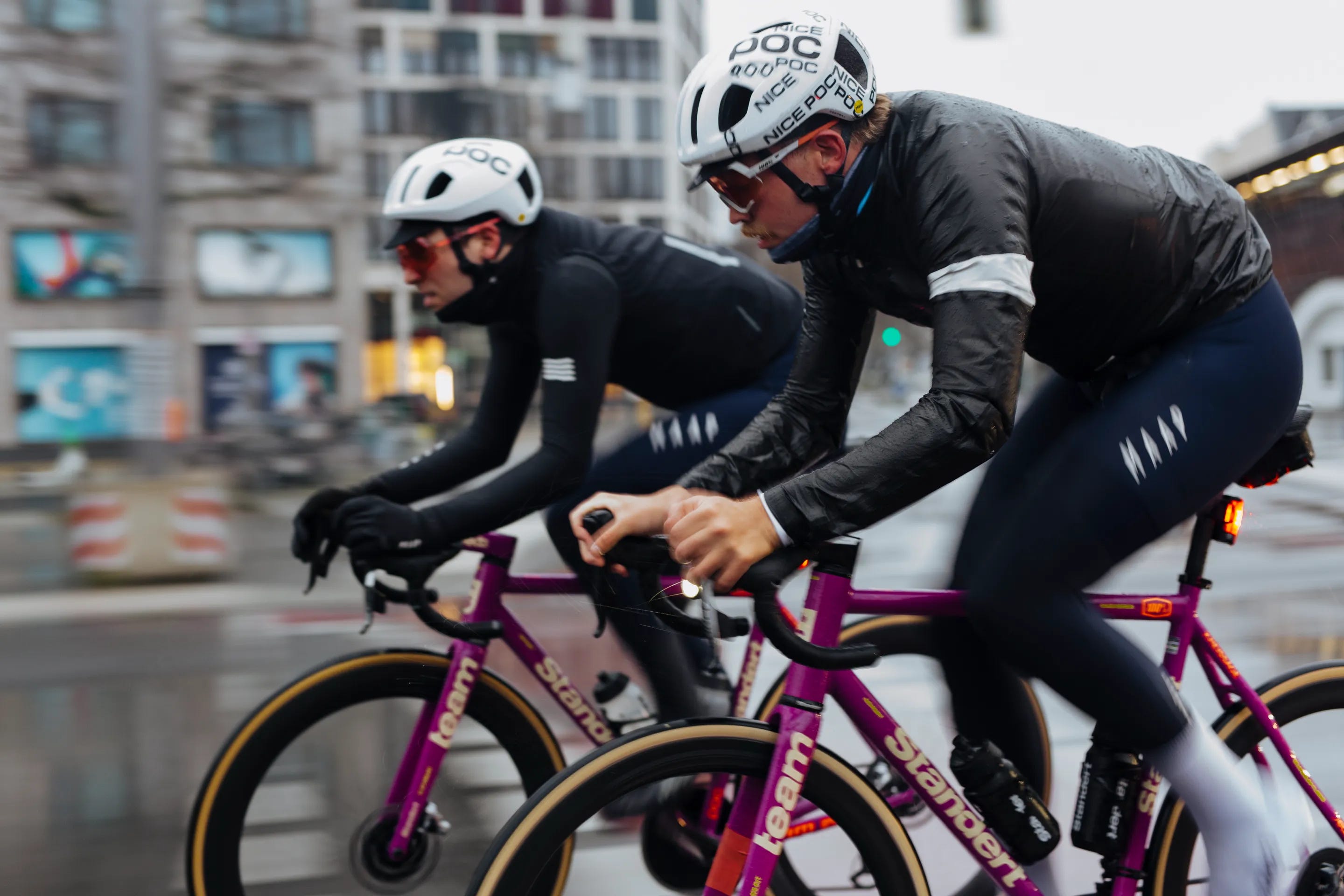
We have not seen the blending of these brands in a physical store yet but scroll through any serious online retailer right now and you will find Pas Normal Studios sitting next to Stone Island sitting next to Moncler Grenoble. Different worlds, same page, no curatorial note explaining why. The person who built that product assortment understood something. The customer who scrolls past all three in the same session understands it too. The crossover is not accidental and it is not new. It is the same logic the Paninari were running in 80’s, playing out forty years later on a different kind of wheel. The Paninari were not just brand loyal. They were ideologically committed. Taste was the worldview. The brand on your back was the belief system. Declaring something about who you were, what you valued, who you wanted to be understood by. The clothes were the manifesto. Us cyclists do the same thing. The rider who chooses MAAP over a generic kit is not just making a performance decision. They are making a cultural statement. Even the bike you choose says something about who you are. The brands that earn that loyalty in cycling do it the same way Osti did it in 1982. By being genuinely serious about what they make. By treating the garment as an object worth obsessing over. By having a point of view that goes beyond the product. PNS, MAAP, Castelli, Q36.5, Rapha. These brands speak a language that cyclists who care about the aesthetics of the sport understand immediately. The ones that do not speak that language get ignored regardless of price. That is not consumerism. That is ideology.
Those kids understood something that cycling culture is only now fully articulating. Technical outerwear worn with intention is a complete aesthetic statement. The Moncler puffer was not just warm. It was a position. The Stone Island badge was not just branding. It was a declaration. They were not dressing for function. They were dressing to be understood by the right people and invisible to everyone else.
Sound familiar?
The rider in the full aero Castelli kit at the cafe stop is doing the same thing. The gravel rider in the faded Cafe du Cycliste jersey. The commuter with the Brooks saddle and the deliberate restraint of a black Rapha everything. We are all Paninari. We just ride bikes instead of Vespas.
The real difference though is that cycling actually requires the performance. The Paninari wore technical outerwear as a pose. We wear it and then ride six hours. All of it has to work. Function earns the form here. That is what makes cycling culture’s version of this more interesting than the original.
There’s a story where a kid named Massimo got tired of the fact that the only iron-on patches available with cartoon characters were designed for girls. So he started drawing an angry Donald Duck on the thighs of his Levi’s 501s with a marker. By hand. The most expensive subculture of its generation had a DIY streak running underneath it the whole time. When the market does not give you what you want you make it yourself. The signal matters more than the budget. Cyclists have always known this. The stickers on the helmet. The custom bar tape. The decal set that makes a stock frame look like something personal. The rider who sands the logo off their saddle because the colorway was wrong. Small acts of individual expression inside a sport that otherwise dresses everyone the same. The Paninari drew on their jeans. We put stickers on our lids. Same instinct. Different road.
To submit a site, product, or whatever you’re working on, email KMC@GRAVITYHILL.CC. We read everything. Posting is never guaranteed, but curiosity always is.