


Welcome to another edition of GRAVITYHILL, your new favorite domestique for cycling culture. A place where we draft the good stuff. Design, style, rare finds, interviews, and a few other gems along the way.
Less watts, more drip.
You can follow us on Instagram here and on X here, but in its purest and most beautiful form this is a newsletter, something to slow your timeline down.
The Breakaway is for getting off the wheel. Longer thoughts on cycling, culture, and taste. Less reaction. More distance.
Cycling has always lived just outside the main conversation. Its close enough to matter, but always too kinda to strange to fully absorb.
It’s a sport you don’t really understand unless you participate in it. The rituals. The suffering. The details that feel insignificant until they aren’t. From the outside, cycling can look narrow and limited. Hard to translate.
For a brief moment in the late 1990s and early 2000s though, it looked like that was going to change.
Nike and Adidas, the two most powerful sportswear brands in the world, stepped into cycling with real intent. Not as a side project. Not as a novelty gig. They were testing whether cycling could sit alongside basketball, football, and golf. Whether it could carry the same cultural weight as the sports they already owned and thrived in.
Unfortunately, that relationship didn’t last very long.
What followed wasn’t dramatic. There was no loud exit or public reckoning. Just a slow realization that cycling doesn’t behave the way global brands need it to.
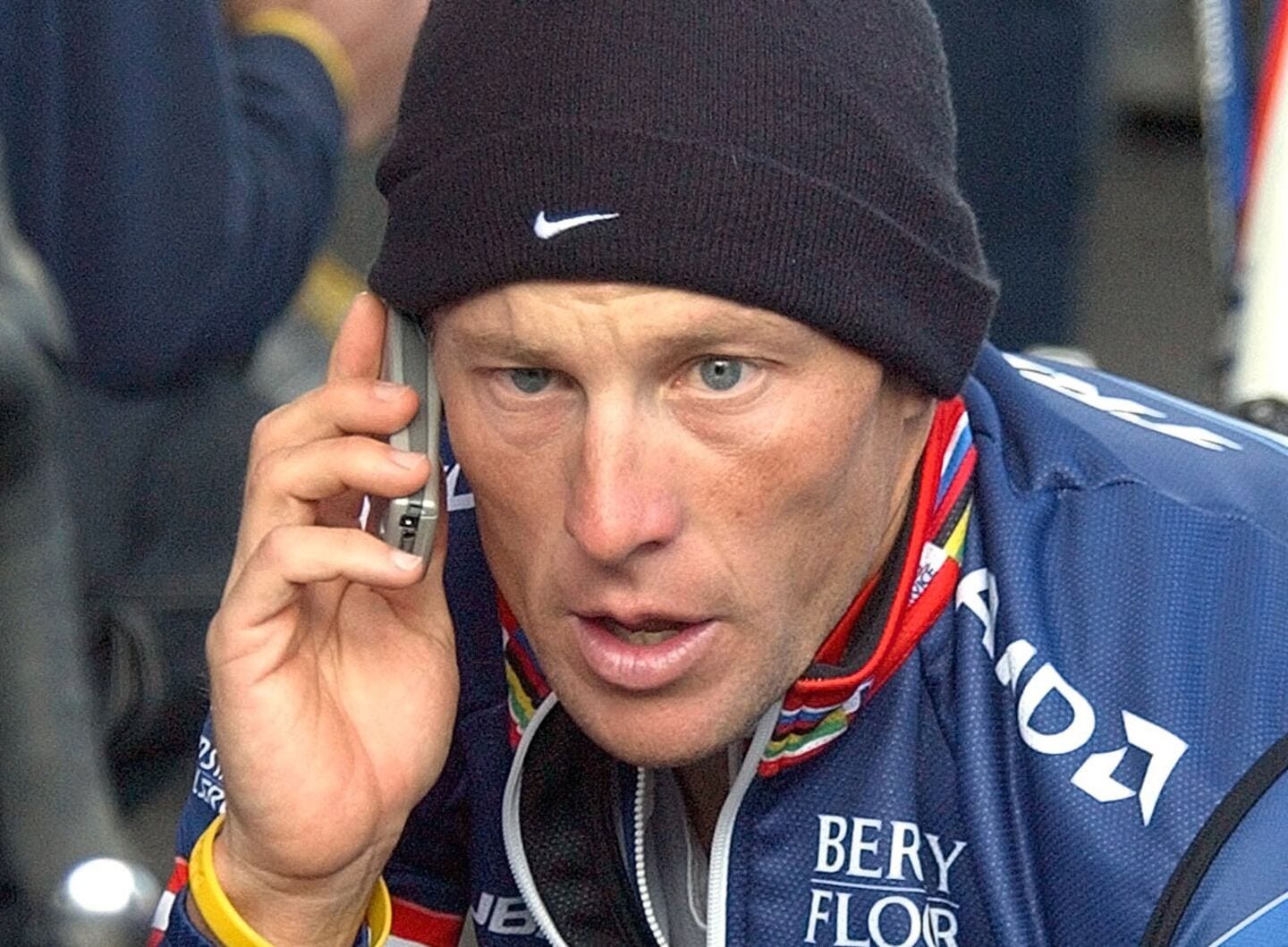
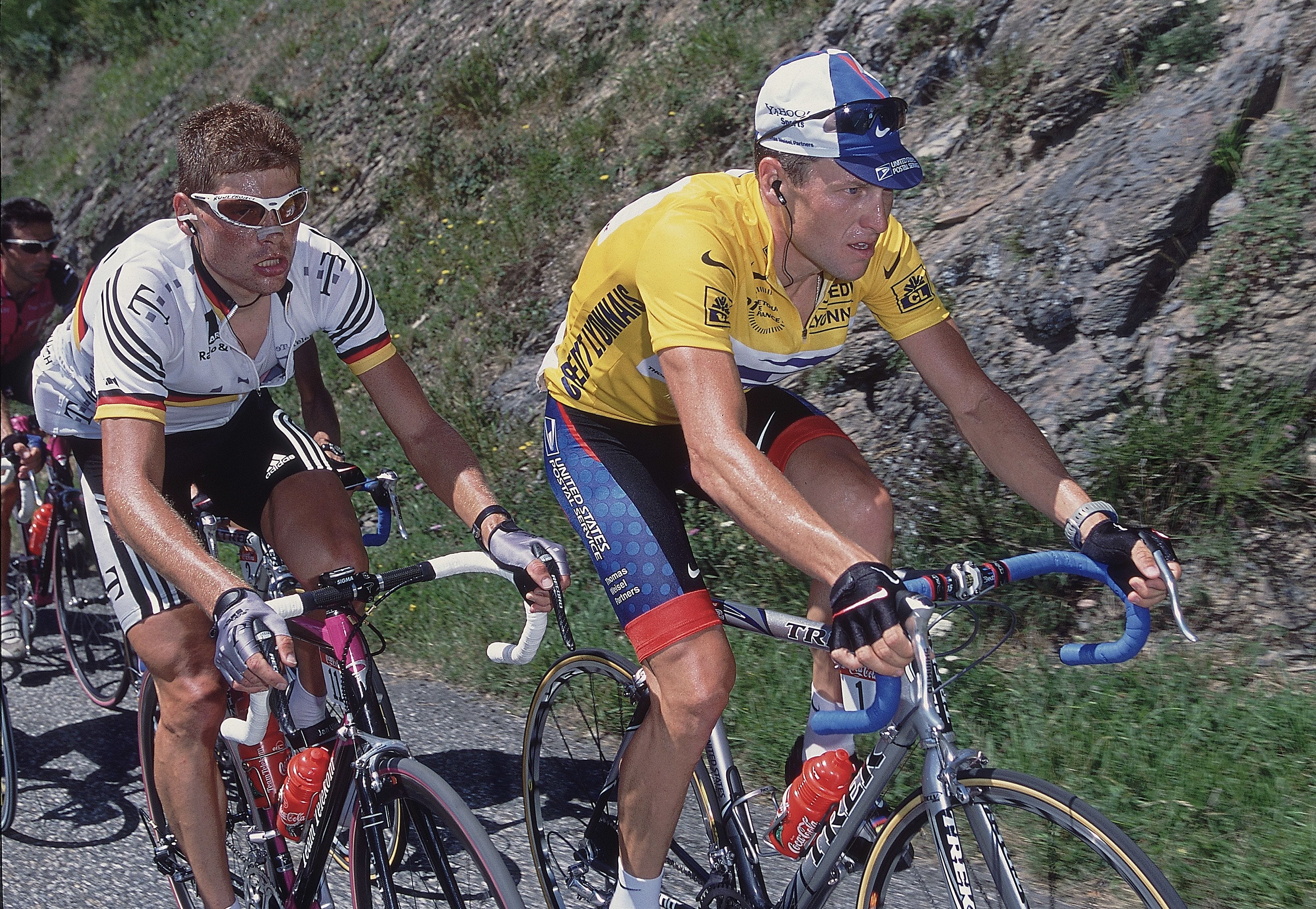
Nike’s relationship with cycling is inseparable from Lance Armstrong. When Armstrong returned to racing in 1996 after surviving testicular cancer, Nike didn’t see a cyclist. They saw a story that could be marketed 1000x over. An American comeback with enough emotional gravity to support an entire brand campaign for years to come.
Cycling, in that specific moment, wasn’t the product.
It was the setting.
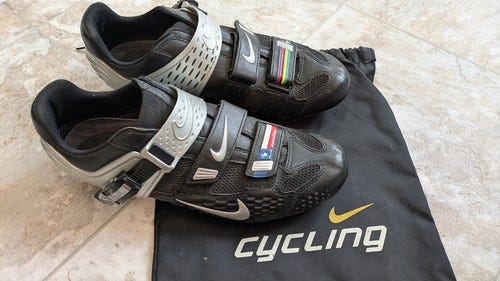
Nike leaned fully into that framing. Armstrong-led campaigns. Nike-branded cycling shoes like the Nike Lance. And eventually the Livestrong wristband, which became one of the most culturally successful pieces of merchandise of its time. None of it required an understanding of the sport. You didn’t need to know the Tour de France. You just needed to believe in the story.
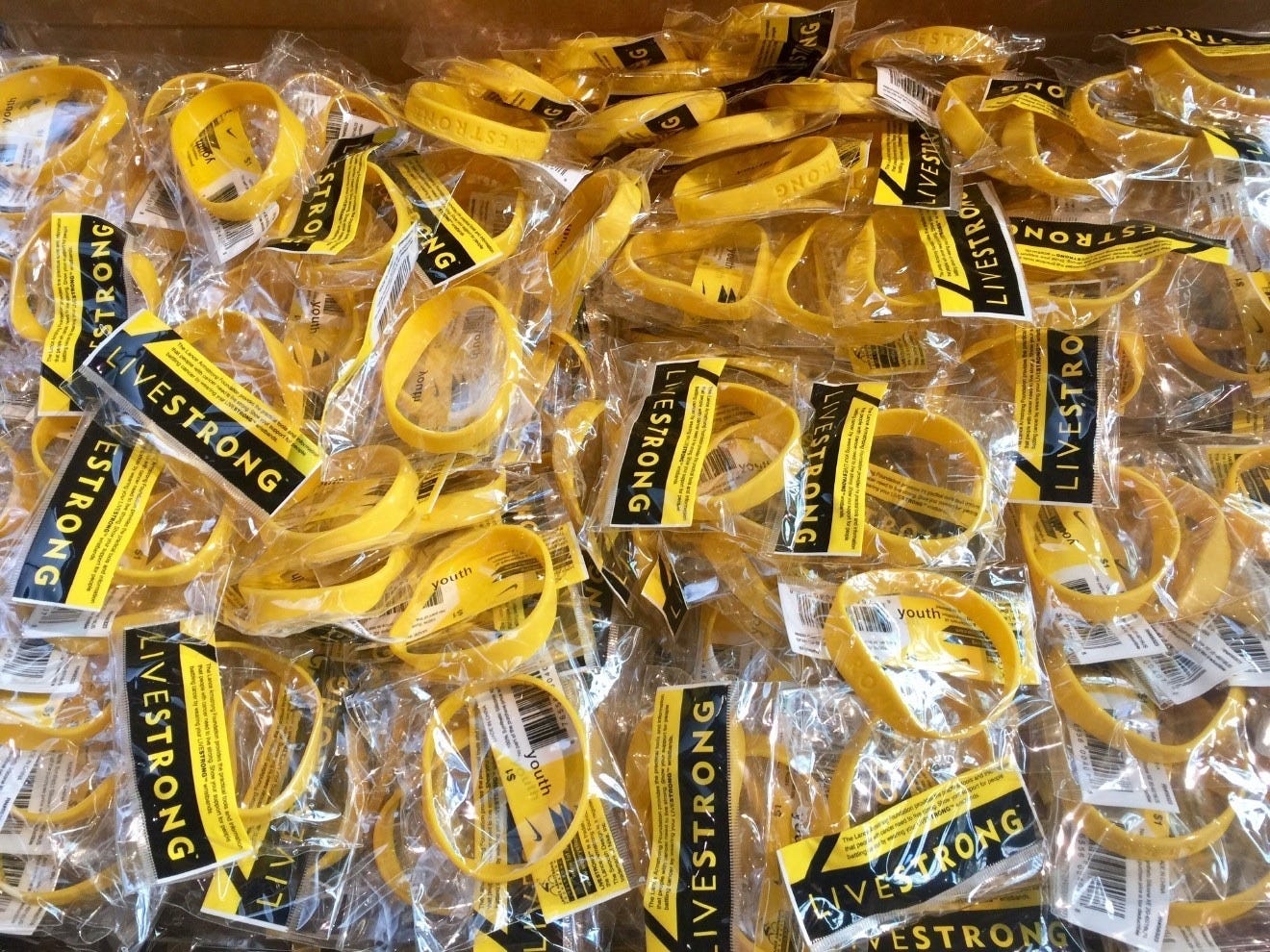
But Nike’s success has never been built on athletes alone. It has always been built on products that escape the sport.
Basketball didn’t become Nike’s most powerful category because people played more basketball. It became dominant because of the likes of Jordan Brand and its association with Michael Jordan. Shoes designed for the court, then adopted everywhere else. Worn to school, to work, to dinner. The product lived beyond the game. Those shoes rewrote the relationship between sport and fashion.
Cycling never offered that same runway.
Nike never created a cycling product people wanted to wear when they weren’t riding. There was no off-bike extension. No cultural bleed. No equivalent of a Jordan 1 for cyclists. Once you stepped off the bike, the relationship ended.
Adidas approached the sport very differently, but ran into the same ceiling.
Where Nike led with narrative, Adidas leaned into history and performance. The brand had deeper roots in European cycling culture, with earlier connections to figures like Eddy Merckx. That legacy resurfaced most clearly in 1997, when Jan Ullrich won the Tour de France wearing Adidas cycling shoes.
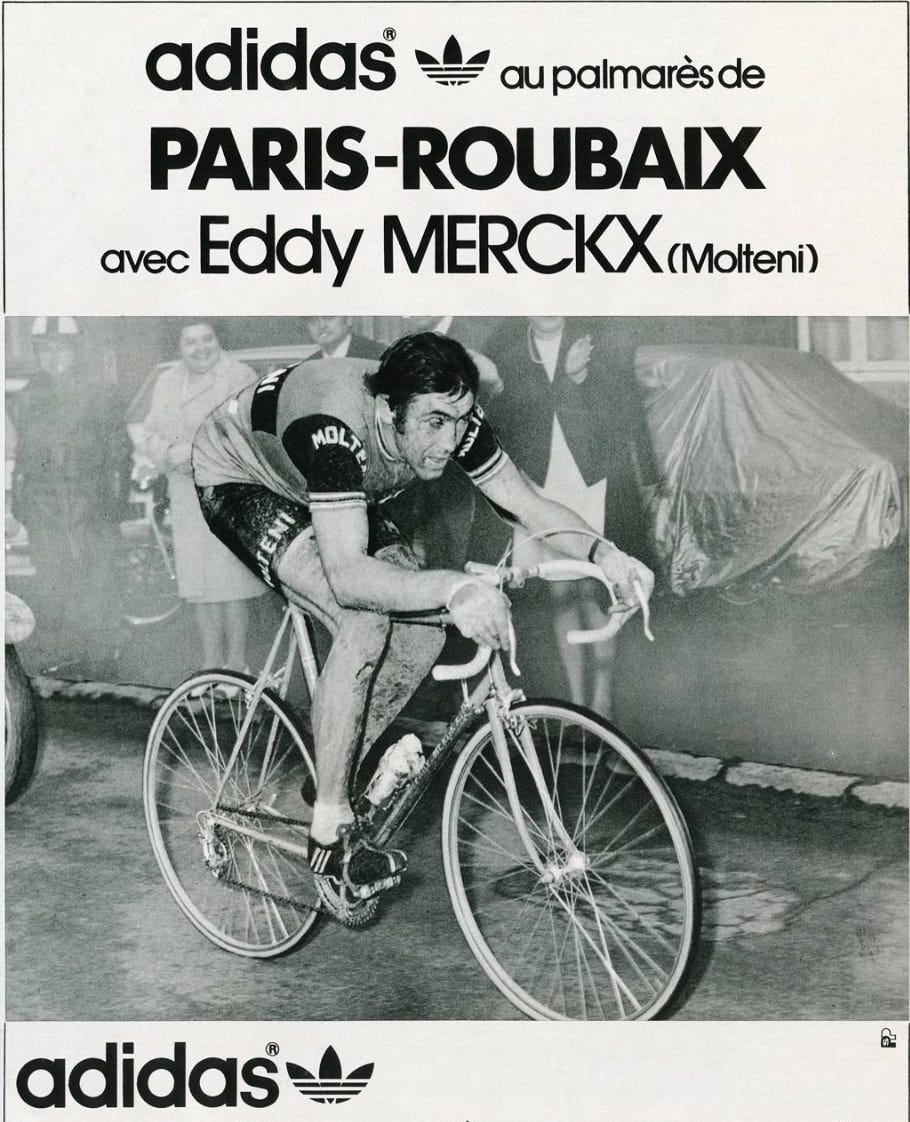
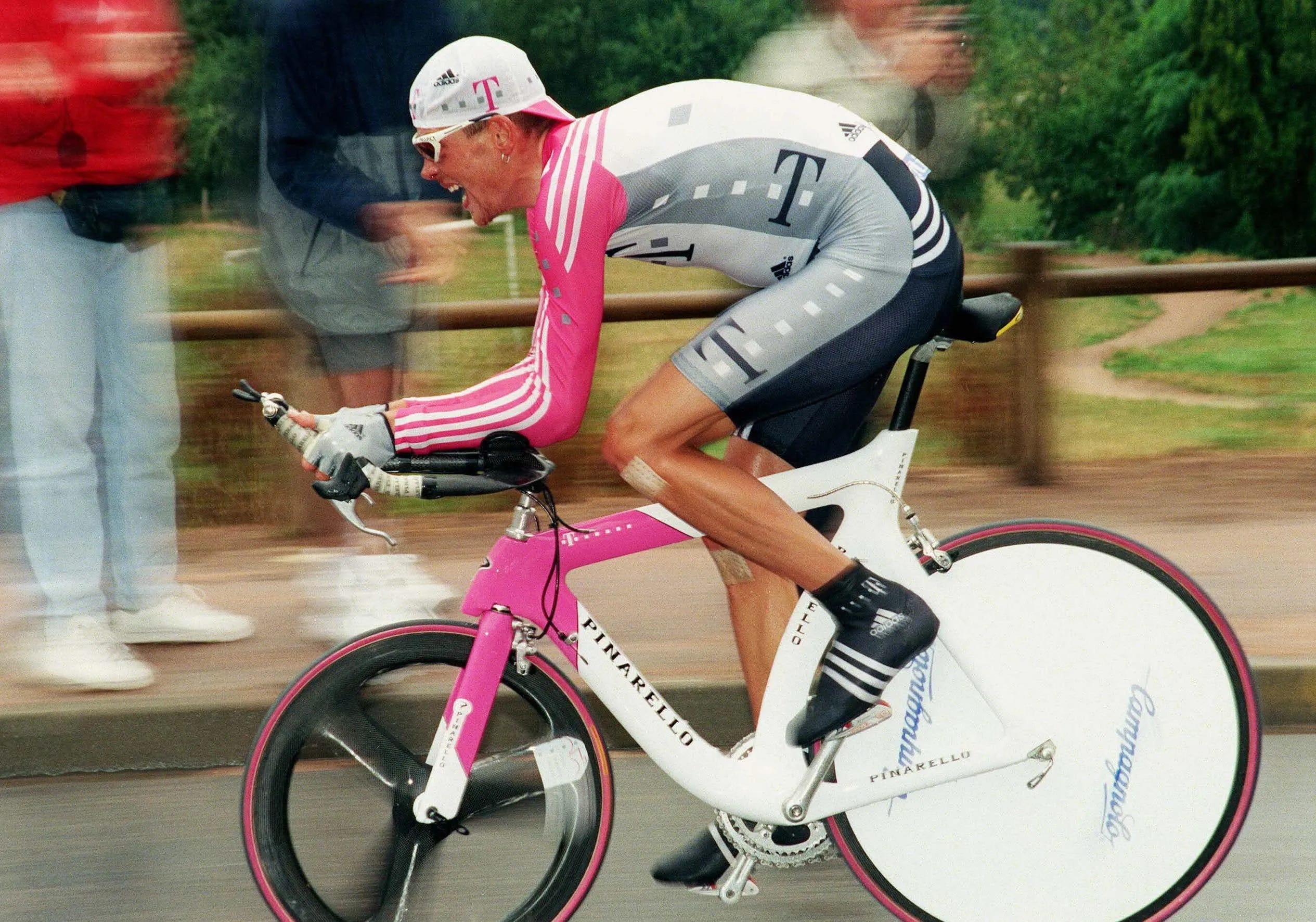
Adidas made real products for cyclists. Proper ones. Shoes, apparel, technical experiments. They treated cycling as a category worth engaging seriously.
But cycling proved to be a frustrating place to operate.
It’s a slow market. Loyalty runs deep. Riders don’t replace gear the way runners replace shoes. Innovation is incremental, expensive, and rarely rewarded at scale. Most importantly, cyclists spend their money almost entirely on equipment meant to be used while riding.
Cycling gear is purpose-built.
It rarely leaves the bike.
Unlike basketball or football, cycling doesn’t naturally generate lifestyle product. Jerseys stay jerseys. Shoes stay clipped in. Helmets don’t cross over. For brands whose biggest wins come from products worn outside the sport, that limitation mattered.
By the mid-2000s, both brands were already pulling back. The Armstrong scandal and the broader doping fallout accelerated exits that were largely inevitable. In 2012, Nike formally ended its relationship with Armstrong after more than fifteen years. Adidas had already retreated from road cycling, maintaining only limited involvement through track cycling and Olympic programs (they are somewhat back in the game, but the product is still underwhelming).

It’s easy to frame these departures as reputational decisions. But that misses the larger point.
Cycling didn’t fail Nike and Adidas.
Nike and Adidas refused to scale on cycling’s terms.
These brands are built to dominate categories by extending them outward. They turn sport into culture, then culture into everyday life. Cycling has so far resisted that expansion. Authority is fragmented. History matters more than novelty. Credibility is earned slowly, usually through obsession rather than scale.
Once it became clear cycling would never naturally produce products that lived beyond the ride, it stopped being interesting as a category.
What’s telling is how little the sport seemed to notice their absence. Cycling carried on the same way it always has. Small, obsessive brands kept building gear. Teams changed sponsors. Fans kept arguing about details that don’t translate well outside the bubble.
The brands that survive here tend to share one trait. They refuse to leave.

Cycling rewards endurance. Not just on the road, but in business. The brands that matter are the ones that stayed through uncool years, doping eras, shifting trends, and technological dead ends. They didn’t chase scale. They didn’t look for exits. They built slowly and stayed close to the sport. They invested.
Design-led labels represent the new wave. They speak to younger riders, to style, to identity. They’ve helped push cycling into new cultural territory and made it feel relevant again.
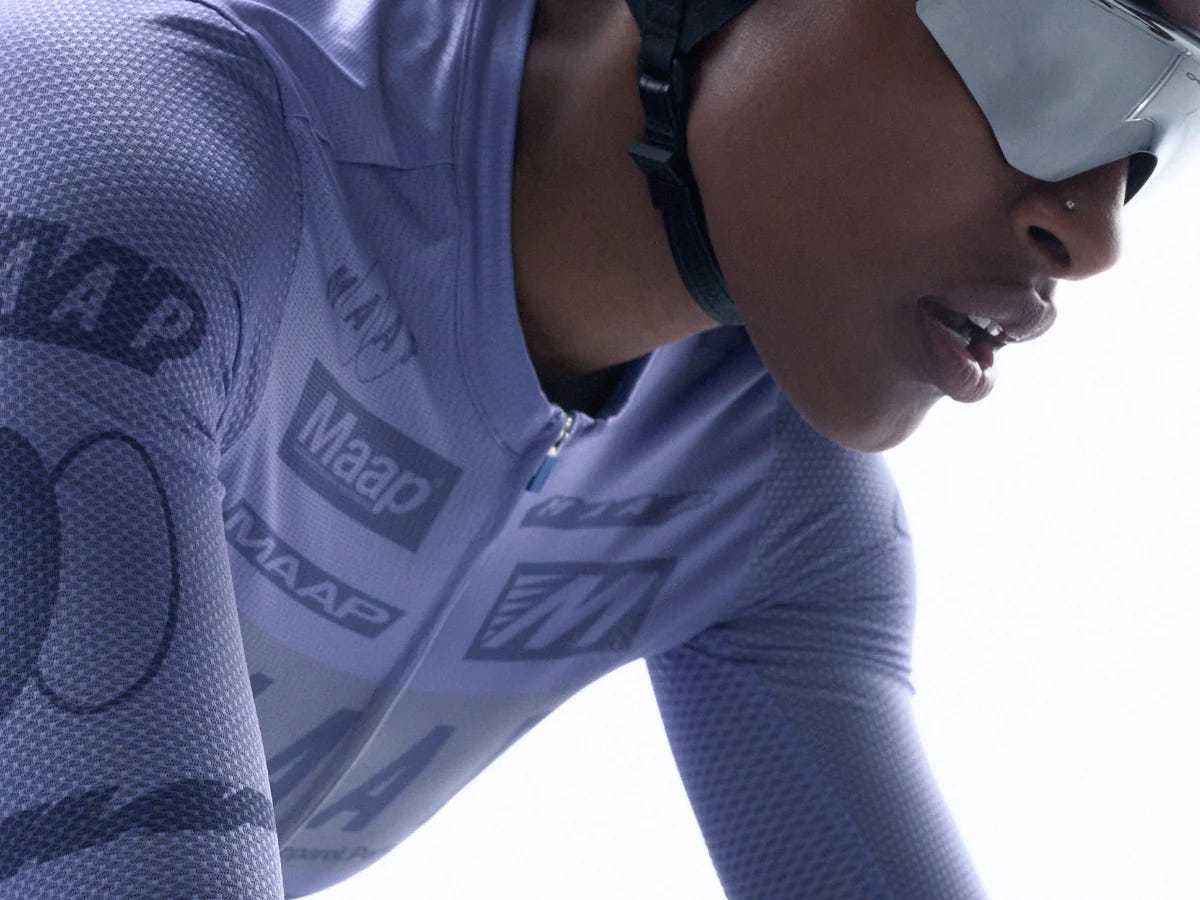
But permanence in cycling looks different.
Brands like Castelli have been part of cycling long enough to feel permanent. Not because they’re fashionable, but because they’re embedded. They’ve dressed generations of riders. Their products are trusted, familiar, and difficult to replace. In cycling, longevity becomes its own form of credibility.
You don’t churn brands here the way you do in other sports. Once something works, people stay loyal.
That’s the tension modern cycling brands now face. Performance alone isn’t enough anymore. Design alone isn’t either. If brands truly want to survive in the long run, their next challenge is learning how to exist beyond the ride without losing credibility on it.
This is where Nike and Adidas always struggled.
Their biggest successes came from sports that naturally extended into everyday life. Cycling, by contrast, has kept its gear functional and contained. The relationship often ends when the ride does.
That boundary is starting to soften.
If cycling brands want to grow without losing their core audience, they’ll need to start thinking more seriously about life off the bike. Not as a lifestyle grab or merch play, but as a continuation of the culture. How people dress before the ride. After it. On rest days. On travel days. In moments where cycling still informs how they move through the world.
The brands that succeed won’t be the ones trying to be everywhere. They’ll be the ones that understand when to stay close to the sport, and when to let cycling quietly inform everything else.
The takeaway from all of this isn’t that Nike and Adidas misplayed their hand. It’s that cycling is hard to own. It’s something that has to be lived with.
It absorbs attention, borrows influence, and then continues on its own path. The brands that last here aren’t the loudest or the biggest. They’re the ones willing to commit for the long haul, even when the payoff is slow and the wins are subtle.
To submit a site, product, or whatever you’re working on, email KMC@GRAVITYHILL.CC. We read everything. Posting is never guaranteed, but curiosity always is.